

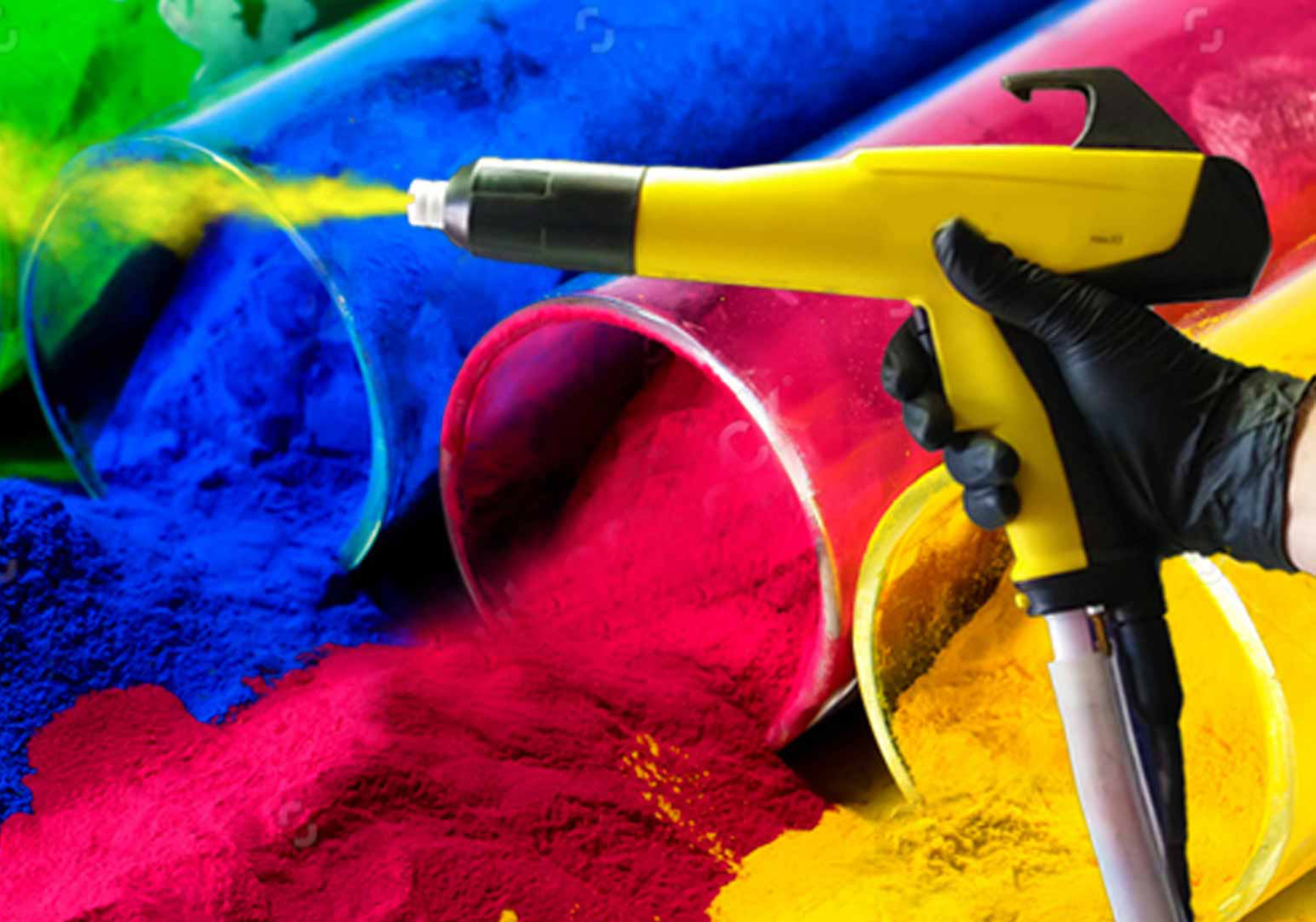
Electrostatic furnace painting
Electrostatic furnace painting is one of the modern and advanced methods in the industry of painting metal surfaces, which is used for durable and high quality coating. This method is especially common in industries that require protective and decorative coatings, such as automotive, home appliance manufacturing, industrial equipment, and even metal furniture. In this article, we will do a comprehensive review of electrostatic furnace painting, its processes, advantages, materials used and its applications.
History and evolution of electrostatic painting
The use of electrostatic paints dates back to the middle of the 20th century. At that time, the development of new technologies such as electricity and its use in various industries, especially painting, caused a great transformation in this field. The first electrostatic painting systems were introduced in the 1950s, which provided the possibility of uniform and high-quality coating. Over time, the method was improved and new techniques such as powder coating and more precise control systems were added.
Principles of electrostatic painting
Electrostatic painting works on the principles of static electricity. In this method, the paint particles, which are usually powders, are charged and then fired at the workpiece using a paint spray gun connected to a high voltage source. The workpiece that is connected to the ground has an opposite charge to the paint particles, and this charge difference causes the paint particles to be attracted to the surface of the piece. After the surface is coated, the workpiece is transferred to the furnace to be baked at a certain temperature (usually between 180 and 250 degrees Celsius) and the paint is baked.
This process causes the paint particles to combine with the metal surface and create a resistant, homogeneous and uniform coating. This coating is not only resistant to corrosion and rust, but also looks very smooth and shiny.
Electrostatic painting process steps
1. Surface preparation: Before starting painting, the metal surface must be thoroughly cleaned and prepared. This step includes chemical treatments such as degreasing, phosphating or other surface pretreatment methods. This work is done in order to ensure proper adhesion of the paint to the metal surface and to increase the durability of the coating.
2. Paint spraying: after surface preparation, powder paint is sprayed on the surface of the workpiece by an electrostatic spray gun. In this step, the color particles are charged and absorbed to the metal surface.
3. Baking in the oven: after complete coating, the piece is transferred to the oven to bake and fix the paint at a high temperature. In this step, the paint particles are melted and fixed as a uniform layer on the surface of the piece.
4. Inspection and quality control: After baking, the piece is carefully inspected to ensure the uniformity of the color and the final quality of the coating. If necessary, correction steps are also carried out.
Advantages of electrostatic painting
Electrostatic painting has many advantages that make it one of the most popular coating methods in various industries:
1. High quality and durability: Due to the baking process in the oven, electrostatic coatings are very resistant and durable and have high resistance to wear, impact, chemicals and various environmental conditions.
2. Uniform and smooth coating: Due to the use of static electricity, the paint particles sit uniformly and homogeneously on the workpiece surface, and this creates a very smooth coating without cracks or holes.
3. Environmentally friendly: In electrostatic powder painting, no harmful chemical solvents are used, and the waste of paint is very low, because the excess powder particles can be recycled and reused.
4. Variety of colors and materials: With this method, it is possible to use a wide range of colors and coatings with different characteristics such as matte, glossy, semi-glossy and textured. You can also use different materials such as polyester, epoxy and hybrids.
5. Economical: Due to reduced color wastage and short curing time, this method generally reduces production costs.
Materials used in electrostatic furnace painting
The powder colors used in this method are mainly divided into three main categories:
1. Epoxy paints: These paints have high resistance to chemicals and wear and are usually used in industrial environments and where resistant coatings are needed.
2. Polyester paints: These types of paints are mostly used for outdoor applications, because they are resistant to sunlight and weather conditions.
3. Hybrid paints: they are a combination of epoxy and polyester that have the characteristics of both materials and are used in environments that require resistance to wear and weather conditions.
Electrostatic painting applications
Electrostatic painting has wide applications in various industries, including:
1. Automotive industry: This method is used in car bodies and metal parts to create rust and impact resistant coatings.
2. Household appliances: In the manufacture of appliances such as refrigerators, washing machines and microwaves, electrostatic painting is used to create a smooth and shiny surface that is both beautiful and durable.
3. Metal furniture: In the furniture and office equipment industry, this method is used to cover metal parts such as metal chairs and tables so that they have high resistance in addition to beauty.
4. Industrial equipment: Industrial parts that are exposed to harsh environmental and chemical conditions need resistant coatings, for which electrostatic painting is the best option.
Challenges and limitations
Despite the many advantages, electrostatic painting also comes with challenges. One of the challenges is the need for high temperature to cure the paint, which may not be suitable for some materials. Also, the painting process for very large and complex parts is more difficult and requires more advanced equipment.
conclusion
Electrostatic furnace painting is considered one of the outstanding methods in various industries due to its high quality, extraordinary durability and compatibility with the environment. This method, using the technology of static electricity and baking in the furnace, creates coatings with unique characteristics that, in addition to beauty, have high resistance to environmental factors. With the development of new technologies, this method is expected to remain one of the main choices in painting metal surfaces in the future.
For more information, you can contact our experts through the available link.