

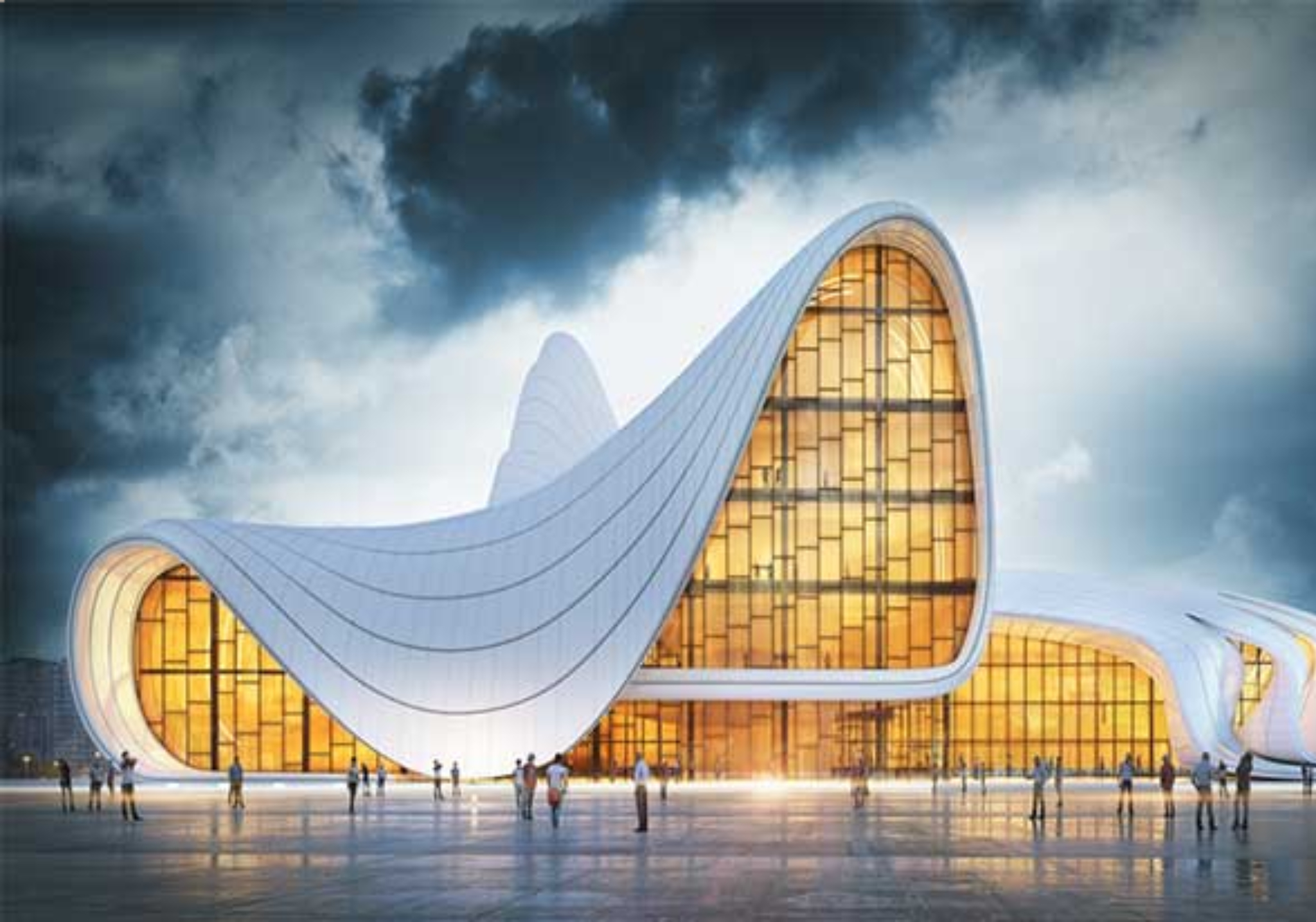
Laser Sheet Cutting in the World of Architecture and Construction: A Revolution in Precision and Design
Introduction
Laser sheet cutting, as one of the advanced technologies in various industries, especially in the world of architecture and construction, has created a huge revolution. This method, which uses laser beams to precisely cut metals, allows architects and designers to implement complex and unique designs without traditional limitations. In this article, we will discuss the applications, advantages and importance of laser cutting of metal sheets in the architecture and construction industry.
1. Laser Sheet Cutting Technology: How Does It Work?
Laser cutting is a precision process that uses a high-intensity laser beam to cut various materials. This method can be used to cut steel, aluminum, copper and even stainless steel sheets. In this process, the laser beam is transmitted to the nozzle through a light guide system and cuts the metal sheet with high heat. This method is not only highly accurate, but also much faster than traditional cutting methods.
2. Advantages of using laser cutting in architecture and construction
High accuracy and intricate details
One of the most important advantages of laser cutting is the very high accuracy in cutting. This accuracy allows architects and designers to implement complex designs, curves and fine details in metal sheets. Especially in modern architectural projects, where innovative and special designs are of great importance, laser cutting can meet precise needs.
Reduced material waste
Compared to traditional methods, laser cutting produces less waste. This means that in large architectural projects, additional costs due to material waste are significantly reduced. In addition, this process allows the use of large sheets of different thicknesses, which can be useful in structural and decorative designs.
High speed and efficiency
Laser cutting is faster than other cutting methods. This is especially important in construction projects with tight schedules. In addition, high accuracy and speed reduce implementation costs and accelerate the project process.
3. Applications of laser cutting in architecture and construction
Design of facades and exterior walls
In the design of building facades, laser cutting is used especially to create complex and decorative geometric patterns on metal sheets. These types of designs create an eye-catching appearance in modern facades of buildings, bridges, and towers. Especially in high-rise projects, it is possible to use metal sheets with special and complex designs through laser cutting.
Construction of metal structures and columns
In the construction of metal structures such as columns and beams, accuracy in cutting metal sheets is vital. Laser cutting allows structural components to be precisely cut and assembled to engineering specifications. This precision ultimately improves the strength and durability of structures.
Construction of suspended and complex structures
In architectural projects that require curved and indirect designs, laser cutting allows architects to create complex shapes that are not possible with traditional methods. The use of laser cutting in these projects is especially popular in the construction of suspended structures or in circular and curved designs.
Interior Decoration
Laser cutting is also used to create interior decorations such as partitions, decorative windows, and false ceilings. These complex designs, which can be tailored to the interior decoration of the building, are easily and accurately produced by laser cutting.
4. The Impact of Laser Cutting on Aesthetics and Innovation in Architecture
One of the main reasons for using laser cutting in architecture is its impact on the aesthetics of projects. Using this technology, designers can create more artistic and precise designs that are not only functional but also visually attractive and stunning. Creating complex geometric shapes, repetitive patterns, or even 3D designs with laser cutting creates unique and innovative spaces in buildings.
5. The Future of Laser Cutting in Architecture and Construction
Given the many advantages of this technology, it is expected that the use of laser cutting will expand further in the future. Improvements in the speed and accuracy of laser devices, as well as their reduction in costs, will make this method available as one of the main tools in the construction and architecture industry. Also, this technology can be used in more fields, including the environment and energy optimization in buildings, by using new and advanced materials.
Conclusion
Architecture and Construction: Laser cutting of metal sheets has become a vital tool in the world of architecture and construction. High accuracy, speed, and the possibility of complex designs are key advantages of this technology that have made it the first choice for modern projects.
This technology not only reduces costs but also allows architects and engineers to turn creative and unique designs into reality. Using laser cutting in architectural projects, especially in the design of complex facades and structures, means improving the quality and aesthetics of buildings.
To place an order and receive a free consultation, contact Nahamin today!
☎ Contact number: 09120604331 – 09120468848